
Geriatric Pet Care
Compassionate Care for Geriatric Pets
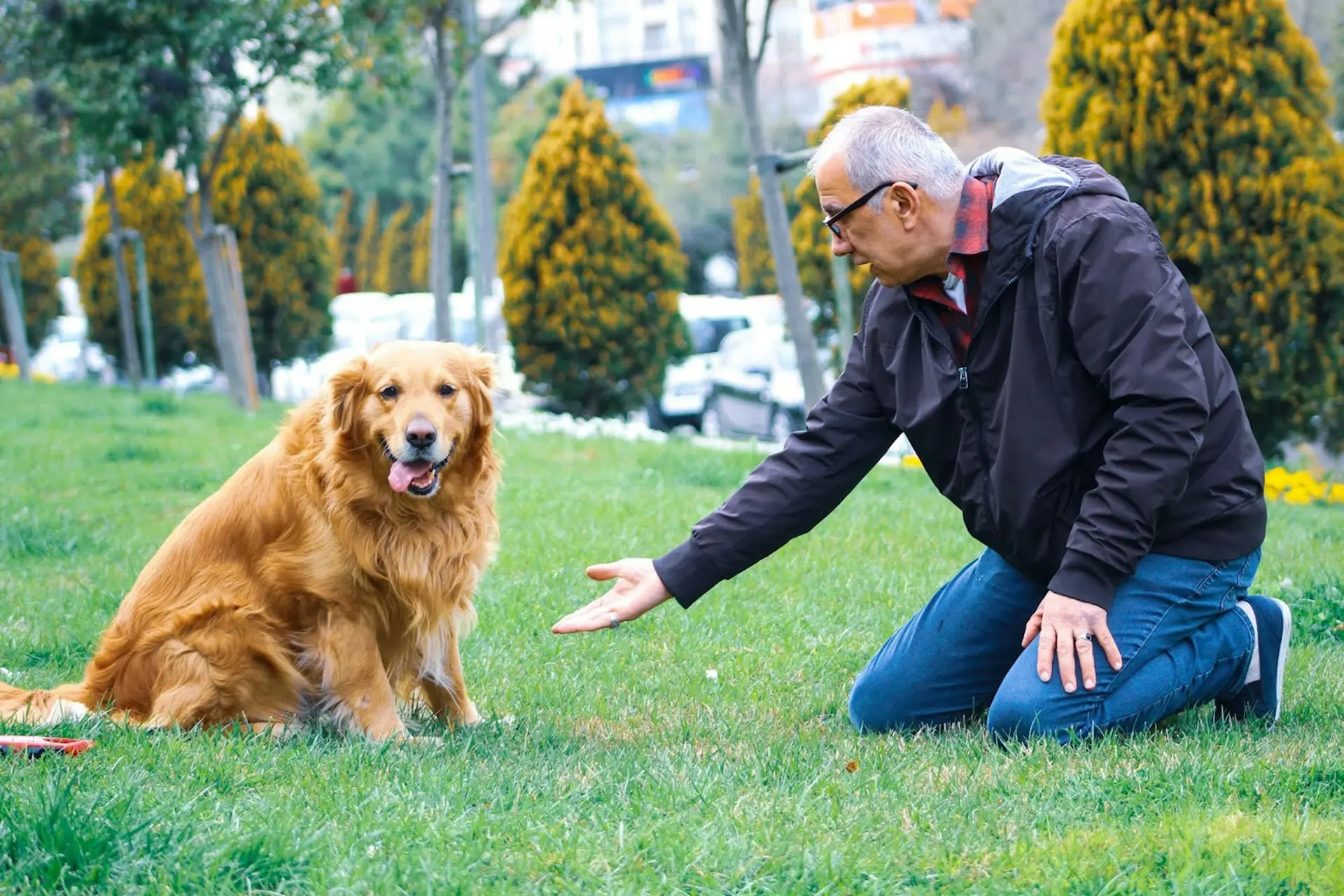
The age at which a pet enters their senior years varies by species and size. For cats, senior status is generally recognized around 10 years of age. For dogs, the threshold depends on breed and body size, larger breeds may reach their senior years as early as 7 to 8 years old, while smaller breeds may not be considered senior until 10 to 12 years. Regardless of when it begins, aging brings meaningful changes in mobility, sensory function, and cognitive health, making regular monitoring and tailored veterinary care essential.
Dental Health in Senior Pets
Dental health becomes especially important as pets age. Periodontal disease is one of the most common medical conditions in aging dogs and cats, and if left untreated, it can contribute to pain, tooth loss, difficulty eating, and chronic inflammation. Watch for these signs, which may indicate dental disease:
- Bad breath that is persistent or worsening
- Drooling or changes in saliva
- Difficulty chewing or changes in eating habits
- Decreased appetite
- Pawing at the mouth
Routine oral exams and professional dental care can help identify problems early and keep your senior pet comfortable and healthy.
Caring for Your Senior Pet at Home
Consistent home monitoring and preventive care play a vital role in supporting healthy aging. Here are key things to watch for between veterinary visits:
- Weigh your pet monthly and track any changes, sudden gain or loss can signal an underlying condition
- Observe eating and drinking habits for noticeable shifts in appetite, frequency, or preference
- Transition to age-appropriate senior nutrition when recommended by your veterinarian
- Check the skin regularly for any new lumps, bumps, or changes
- Watch for signs of pain, stiffness, or reduced mobility, which may indicate arthritis or other age-related conditions
Book Appointment